Camera Gear for Safari: 12 Expert Essentials for Unforgettable Wildlife Photography
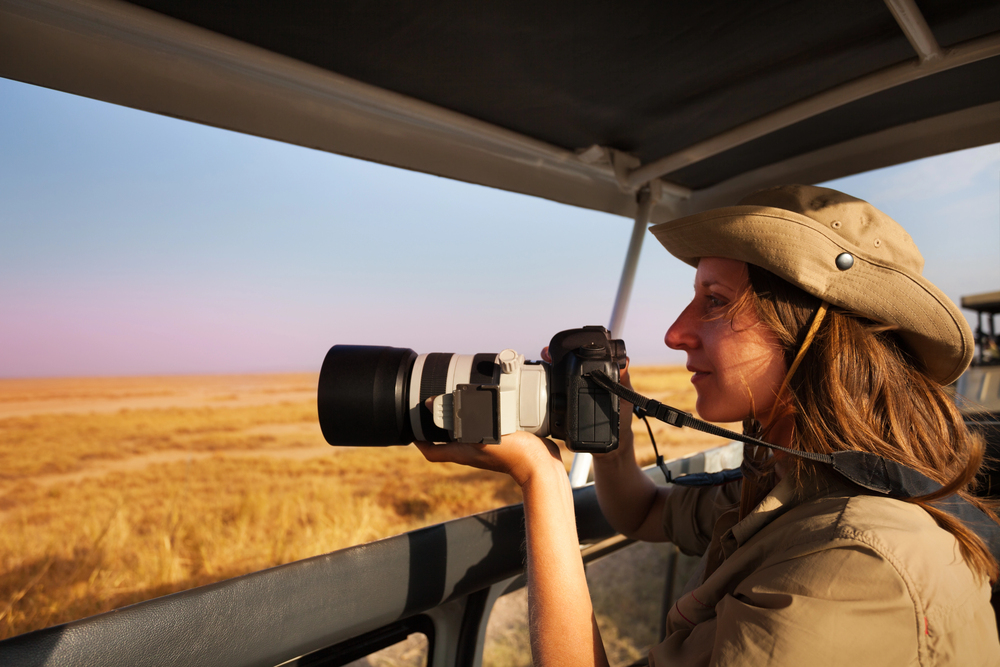
Table of Contents
1. The Core Role of Camera Gear for Safari in Capturing Wildlife
Camera gear for safari shapes the way you see and photograph the natural world. Every piece you carry influences exposure control, subject reach, and reaction speed during unpredictable animal encounters. The right setup prepares you for rapid changes in lighting and motion. By planning carefully, camera gear for safari becomes a dependable extension of your creative vision.
Safari environments can be harsh, filled with dust, heat, and movement, so your equipment must withstand tough conditions. Bringing carefully selected camera gear for safari helps you work confidently around elephants, lions, cheetahs, and birds in flight. This preparation ensures that when a moment unfolds, your tools respond instantly. With a solid kit, every scene becomes an opportunity rather than a challenge.
2. Choosing the Best Camera Bodies for Safari Adventures
Camera bodies need fast autofocus, strong sensor performance, and durability. Modern mirrorless bodies are excellent choices because they deliver silent shooting, quick tracking, and strong image stabilization. When selecting camera gear for safari, a full-frame sensor offers cleaner images, while crop sensors help extend your telephoto reach. The best choice depends on the wildlife distance you expect and your shooting style.
A rugged magnesium-alloy body protects internal components from dust and vibration. Tropical heat also tests electronics, so a body with good thermal efficiency is invaluable on long game drives. Reliable battery life and dual card slots make your camera gear for safari more dependable. These small details prevent downtime when rare behavior suddenly appears in front of you.
3. Telephoto Lenses: The Most Crucial Camera Gear for Safari
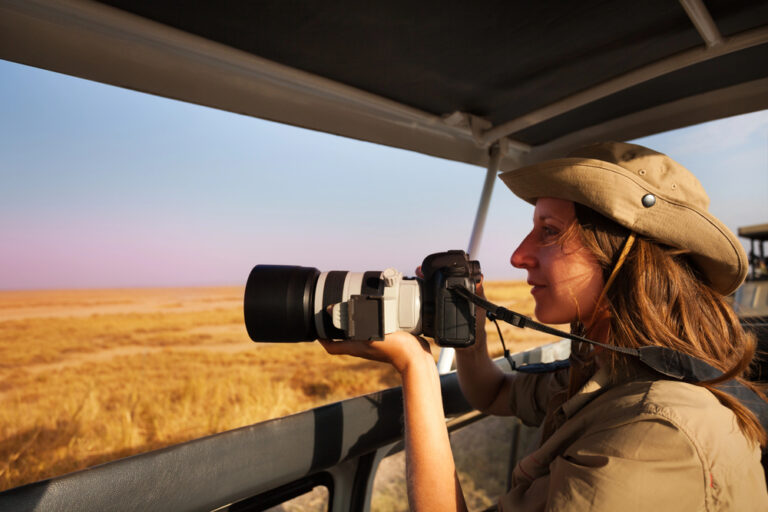
Telephoto lenses form the heart of camera gear for safari because animals often stay far from vehicles. A zoom such as 100–400mm or 200–600mm offers flexibility for both close and distant subjects. These ranges let you frame a leopard in a tree or a herd of zebras crossing a river with minimal lens swapping. Their versatility is one of the greatest benefits in fast-paced environments.
Prime telephoto lenses deliver unmatched sharpness, ideal for photographers prioritizing image quality. Although heavier and less flexible, a 400mm or 600mm prime can produce extraordinary clarity. The trade-off is portability, which matters greatly when packing camera gear for safari. Most travelers find zooms more practical, but both categories give you the reach needed for great wildlife images.
4. Wide-Angle Lenses for Safari Storytelling
Not every shot is about tight detail. Wide-angle lenses capture sweeping landscapes, dynamic sunsets, and contextual wildlife scenes. Adding one to your camera gear for safari helps you frame elephants beside acacia trees or dramatic skies over the savanna. These images enrich your collection by showing how animals exist within their world.
A 16–35mm or similar wide-angle zoom works well for safari vehicles and campsite photography. Early mornings and late evenings often provide dramatic lighting that enhances wide-angle scenes. This type of lens gives your camera gear for safari narrative depth beyond close-up portraits. Carrying one ensures you can photograph the entire safari experience, not just the animals.
5. Tripods and Monopods for Steady Safari Shots
Long lenses benefit from stability support. A lightweight monopod is easy to maneuver inside safari vehicles, helping you steady heavy telephoto lenses. It reduces fatigue during long sessions and increases the sharpness of distant subjects. Adding one to your camera gear for safari improves consistency in changing environments.
Small travel tripods are useful around camp, especially during sunrise or nighttime sky photography. They allow slower shutter speeds without sacrificing clarity. Many camps offer scenic views perfect for tripod use. Compact, sturdy options enhance your camera gear for safari without adding excessive weight.
6. High-Speed Memory Cards for Action Photography
Wildlife behavior can shift from calm to thrilling in seconds. High-speed memory cards ensure your camera gear for safari keeps up during rapid bursts. Cards with fast write speeds prevent buffer delays during lions’ hunts or birds taking flight. These features directly affect how many images you capture during action sequences.
Bring multiple cards, preferably from reputable brands, to reduce risk of failure. Heat and dust can shorten card lifespan during safaris. Keeping spares sealed inside protective cases helps maintain reliability. Memory cards are small yet powerful components of camera gear for safari, often determining whether a dramatic moment is preserved or lost.
7. Batteries, Chargers, and Power Solutions
Long drives and limited electricity require smart power planning. Extra batteries ensure your camera gear for safari remains ready throughout the day. Some photographers carry four to six batteries, depending on the camera system and shooting frequency. This preparation prevents frustration when animals appear during low battery alerts.
Portable solar panels, high-capacity battery banks, or vehicle adapters help maintain steady power. Camps may supply outlets but not always enough for multiple devices. Keeping a dedicated charging routine supports your camera gear for safari and reduces stress during busy shooting days. Power stability is one of the most underestimated safari priorities.
8. Protective Camera Bags Built for Harsh Environments
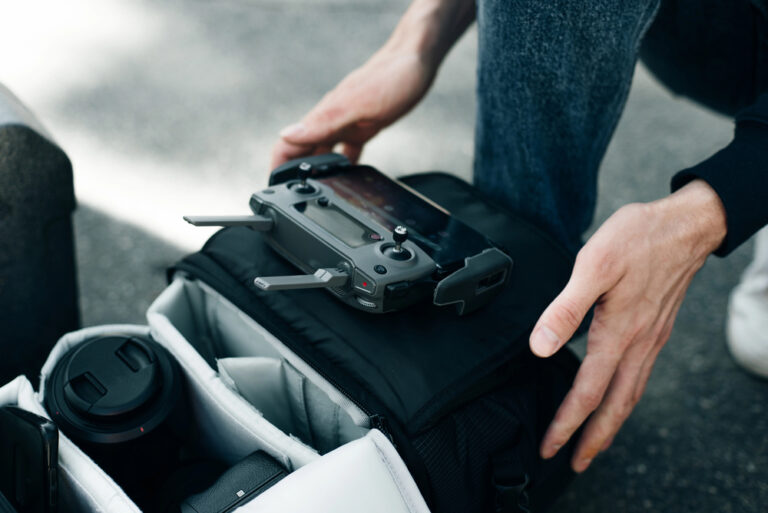
Dust, bumps, and constant movement present ongoing challenges. A durable, weather-sealed camera bag is essential camera gear for safari because it shields your equipment from the elements. Padded interiors protect your lenses from impact, and organized compartments help you access gear efficiently. Quick access matters when an unexpected animal appears beside the vehicle.
Choose bags with comfortable harness systems, especially if you will hike or walk between locations. Safari travel often involves quick shifts from vehicle to lodge, so portability matters. A well-designed bag preserves your camera gear for safari and gives you peace of mind during the journey. Quality here prevents equipment failures when you need your tools the most.
9. Lens Filters for Color, Glare, and Dust Reduction
Filters enhance creativity and protection. A polarizing filter helps deepen blue skies, reduce reflections, and increase color saturation during mid-day sunlight. Adding these to your camera gear for safari improves control when shooting around water or bright surfaces. The results are more vibrant and balanced images.
UV filters serve as protective shields for your lenses. Dust and grit can scratch your equipment during bumpy rides. A UV filter absorbs the impact, sparing valuable front elements. Neutral density filters also help when you want motion blur, such as flowing river scenes or slow panning shots. These small tools broaden the capabilities of your camera gear for safari.
10. Cleaning Tools to Maintain Safari Performance
Safari dust is persistent. A cleaning kit with a blower, sensor swabs, microfiber cloths, and lens wipes belongs in every camera gear for safari setup. Regular upkeep prevents dust spots on photos and extends the life of your equipment. Cleaning your kit at night helps you start each morning with clearer optics.
Lens changes should be done sparingly and in sheltered environments, such as inside the vehicle with minimal wind. Keeping a blower in your pocket allows quick maintenance between sightings. These habits protect your camera gear for safari from long-term damage. Clean equipment performs better and produces more reliable results.
11. Bean Bags and Vehicle Rests for Stabilized Shooting
Many safari vehicles have open windows or railings, limiting tripod use. Bean bags become highly effective support tools for your camera gear for safari, especially with long lenses. They mold to vehicle edges and absorb vibrations from engines or movement. This stability improves sharpness during distant shots.
You can pack an empty bean bag and fill it upon arrival, saving space in your luggage. Some camps even provide them. Their flexibility and simplicity make them ideal pieces of camera gear for safari. When paired with a telephoto lens, they deliver performance similar to heavier support systems.
12. The Complete Packing Strategy for Camera Gear for Safari
Packing strategically ensures you travel efficiently and shoot confidently. Prioritize telephoto lenses, a reliable body, extra batteries, and protective cases first. Secondary items like filters and wide lenses add creative options without overwhelming your load. A thoughtful selection creates balance between weight and capability.
Keep your camera gear for safari organized in layers. Frequently used items should remain accessible during drives, with backups stored securely. Many photographers divide gear into action-ready bags and storage bags. With smart planning, your camera gear for safari becomes a seamless partner throughout your adventures, helping you capture remarkable wildlife moments with clarity and ease.
References
- National Geographic Photography Tips
- Outdoor Photographer Safari Guide
- Audubon Wildlife Camera Basics
Meta Description (170 characters)